

Differrent Tea Packaging Materials
May 20, 2023
Many customers are unaware that the packaging of tea is also important in maintaining its quality. Tea packaging materials come in many different types and each one has its own pros and cons.
Aluminum, tinplate and plastic are some of the most commonly used materials.
Below, we will explore the advantages and disadvantages of each. Continue reading to learn more!
Nylon is often used to package tea because it has good barrier properties. It offers protection against moisture, oxygen and aroma. The material is strong and durable and therefore ideal for shipping and storing tea. Nylon is not biodegradable and therefore not eco-friendly.
Nylon is ideal for packaging for tea that must be stored for long periods of time.
Degradable PLA
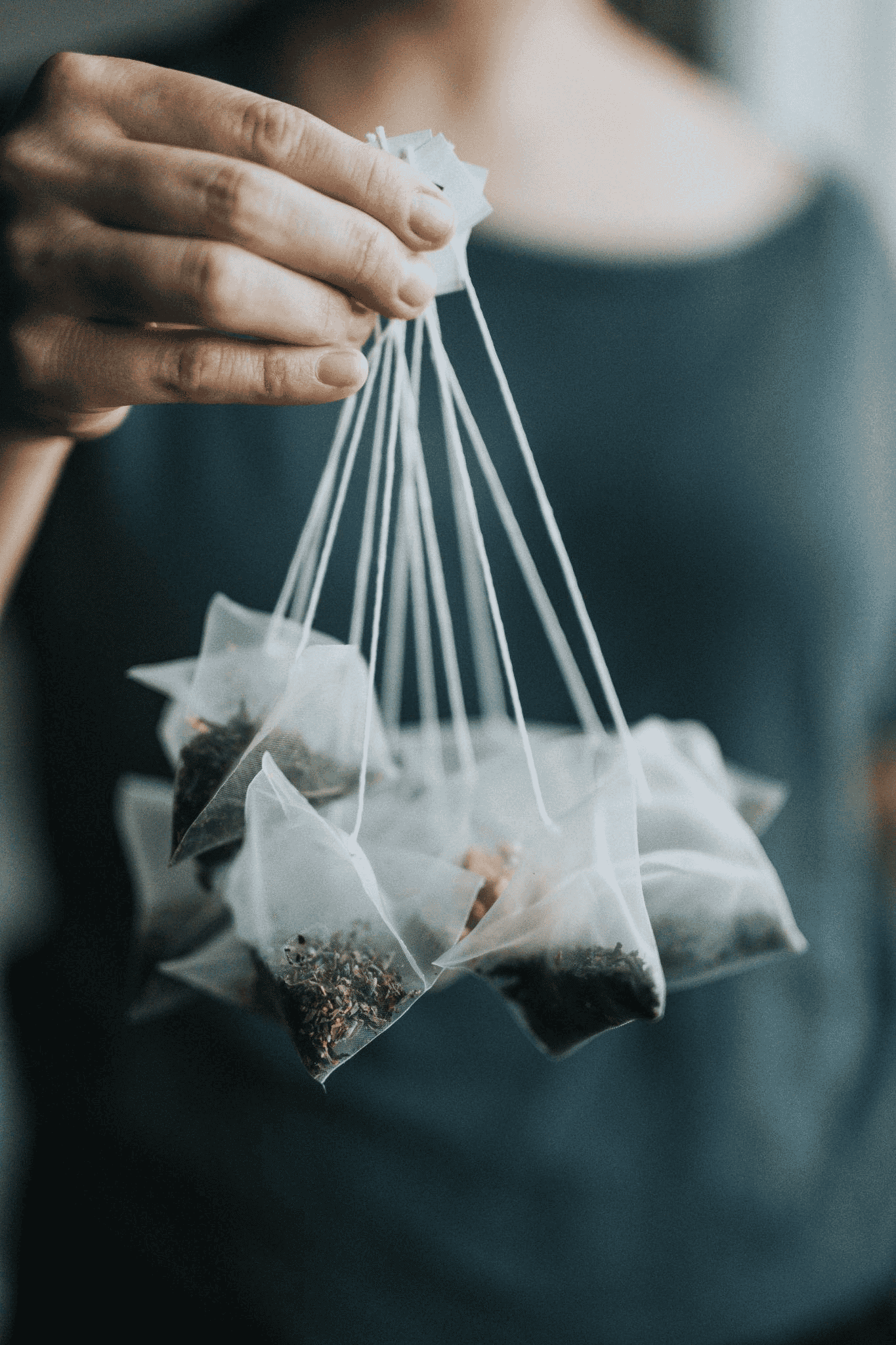
It is made of renewable resources such as corn starch and sugar cane. It is a polymer with good moisture barrier properties that can be combined with other materials such as paper or aluminum foil.
Recent years, biodegradable PLA is becoming a popular alternative to conventional plastics. It breaks down naturally when exposed to light and air. According to the United States Environmental Protection Agency, plastic production produces about 7 million tonnes of greenhouse gases per year.
To reduce this number, EPA implemented policies to encourage the use degradable PLA. The EPA, for example, has mandated by 2020 that all packaging used in food service be at least 20% recyclable.
In Europe, European Commission has taken a similar approach in encouraging the use degradable PLA. The Commission set the goal that all packaging will be recyclable by 2030. To meet this goal the Commission implemented policies that required companies to use recycled material in their packaging.
Degradable PLA can help reduce the environmental impact associated with plastic production. It is important to remember that PLA isn't completely biodegradable. To completely degrade, PLA must first be composted at a commercial composting plant. The facilities aren't widely available so most PLA is disposed of in landfills.
PLA has its limitations, but the use of PLA is increasing. This will help reduce the environmental impact from plastic production. With continued research and developments, it is hoped that the limitations of PLA can be addressed, and that it will become more viable for sustainable packaging.
PLA can also be more expensive than some other materials. This is a disadvantage. PLA also appeals better to customers. Nowadays, many customers and producers alike have become eco-conscious which means they take into account whether their products are environmentally-friendly.
If you're a tea business, and you want to promote organic materials with your product, PLA would be the perfect choice!
Filter paper
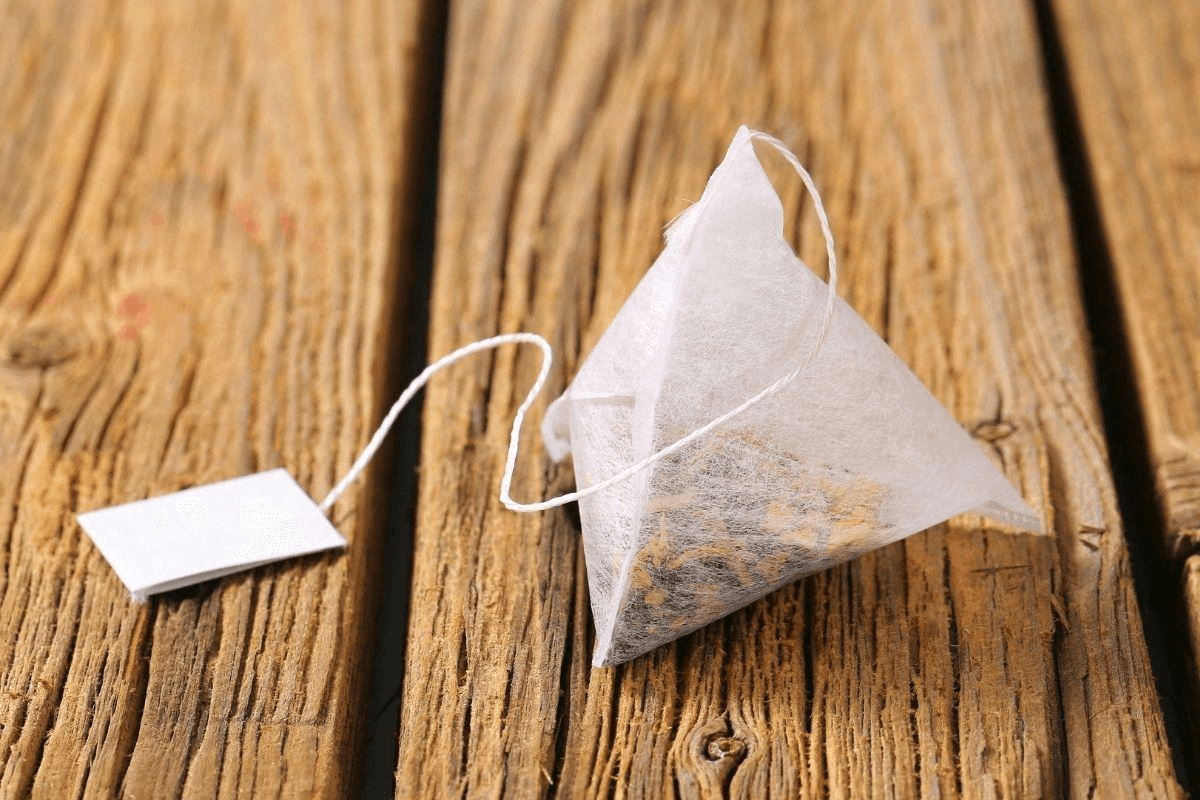
Filter paper consists of a mixture of synthetic fibers and filter paper. It is used to make teabags because it holds the shape well and resists heat. This material is ideal for tea storage because it has excellent moisture and oxygen barrier qualities.
This material is not eco-friendly and does not degrade. The synthetic fibers may leach out into hot water.
Aluminium
Aluminum is used for packaging tea because it has good barrier properties to oxygen, moisture and light. It is strong and durable.
Aluminum packages are available in many shapes and sizes. Polyethylene film can be used to protect against germs, sunlight, air and moisture as well as preserving freshness and scent.
Aluminium is the best material for packaging tea , as it doesn't absorb colors or aromas.
Aluminum is not recyclable and not environmentally friendly. Aluminum is a conductive material, so it can alter the taste of tea when it comes in contact with the leaves.
Most aluminum tea packages are designed with a paper or plastic layer between the metal and tea leaves.
Aluminum is still a popular option for packaging tea despite its drawbacks. Choose an aluminum tea package that is durable, and with a good seal. This will protect the freshness.
Tinplate
Tinplate is a sheet of steel that has been coated in a thin layer tin. Tinplate is used to make packaging for food because it is non-toxic, and has excellent barrier properties against moisture and oxygen. Tinplate can also be recycled.
Tinplate used for packaging tea is typically made from high-quality tinplates such as black plate or electrolytic tinplate.
The thickness of the tinplate is usually 0.16-0.2mm. To give the tea tin a good print effect, a thin layer of chrome or chromium dioxide is applied to the surface.
Plastic
Plastic packaging is most common due to its durability and low cost. Plastic is not biodegradable, and it can take hundreds of years to degrade. This makes plastic a major pollutant.
In recent years there has been an increasing movement to reduce the use of plastic and promote sustainable packaging. Some companies are using bamboo or paper for packaging their tea. Some companies have switched to refillable, reusable containers.
Plastic may seem like the easiest option to use for packaging tea, but it's important to think about the impact on the environment. Consider using biodegradable or reusable materials if you want to make your tea packaging more sustainable.
Plastic tea packaging contributes significantly to pollution. Choose your packaging carefully!
Why choose a packaging material for your tea?
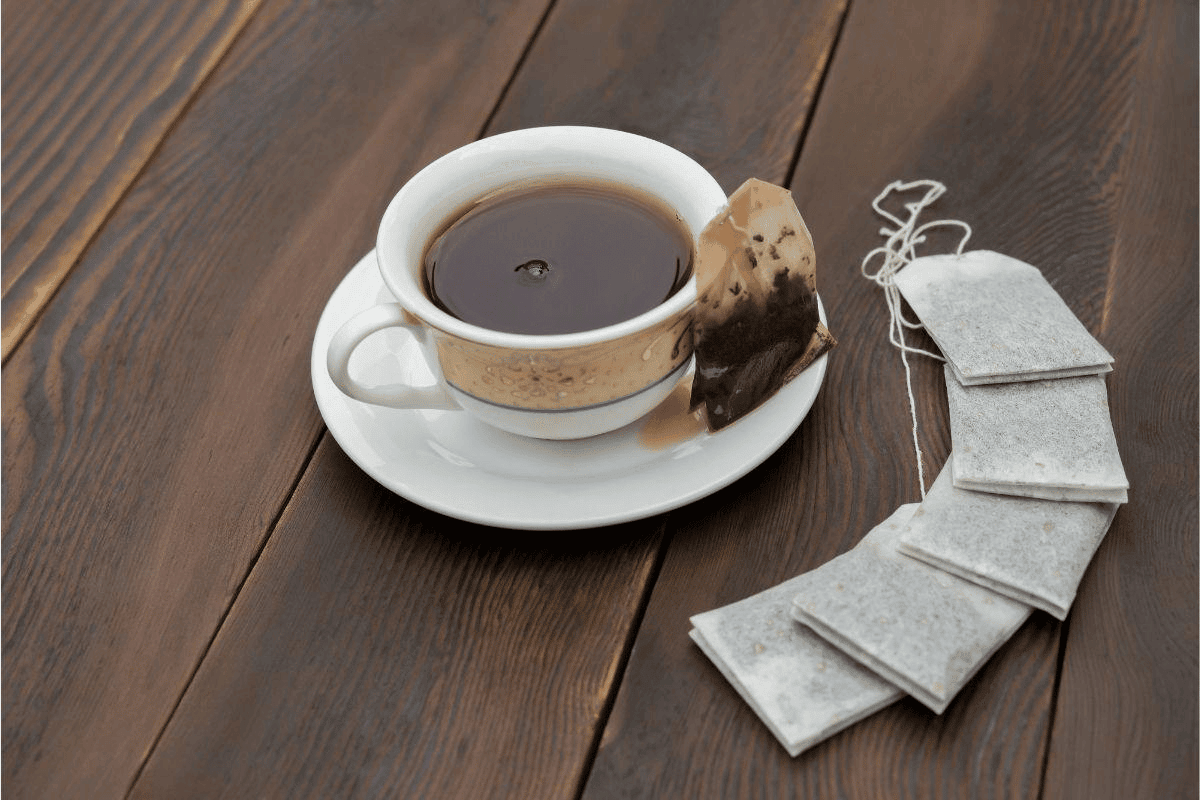
You want to choose a material that will protect your leaves from light, moisture and oxygen when you package your tea. This will keep your tea flavorful and fresh.
You can use a variety packaging materials for tea. It is important that you choose one that suits your needs.
Aluminum foil is a popular choice for packaging tea. Aluminum foil makes a great choice for packaging because it's lightweight, provides a barrier against light, moisture and oxygen and is easy to seal. Aluminum foil is easy to seal and helps keep tea fresh.
Another excellent choice for tea packaging is plant starch-based PLA pyramid tea bag packaging material . These PLA biodegradable bags can help you save on energy costs and manual labor.
First, the importance is to protect tea leaves from moisture. Tea leaves that are too wet will lose their flavor and become soggy.
It is also important to select a material which will not allow oxygen in.
The tea leaves can oxidize due to oxygen, causing them to lose their taste. It is also important to select a material which will shield the tea leaves against light. Tea leaves can lose their color and flavor when exposed to light.
It is important to take into account all these factors when selecting a packaging material.
Don't forget that the packaging of your tea must be attractive so your customers are impressed when they see them on the shelves.