

Are Plastic Mesh Bags Recyclable?
Nov 14, 2024
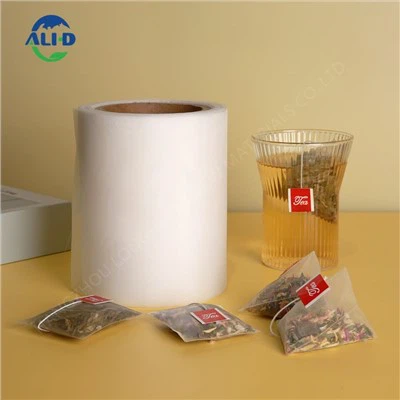
Plastic mesh bags are commonly used for a variety of purposes, including packaging produce, storing items, and even in some industrial applications. As concerns about environmental sustainability grow, many people wonder whether these plastic mesh bags are recyclable. In this article, we will explore the recyclability of plastic mesh bags, factors that influence their recyclability, and tips for properly disposing of or recycling these materials.
Understanding Plastic Mesh Bags
Plastic mesh bags are typically made from polyethylene (PE) or polypropylene (PP), both of which are thermoplastic polymers. These materials are chosen for their durability, flexibility, and resistance to moisture and chemicals. The mesh structure allows for ventilation and visibility, making them ideal for certain types of packaging and storage.
Factors Influencing Recyclability
Material Composition
The type of plastic used in the mesh bags plays a crucial role in determining their recyclability. Polyethylene and polypropylene are both recyclable materials, but the specific grade and quality of the plastic can affect the recycling process.
Contamination
Like other plastics, mesh bags must be clean and free from contaminants to be recycled effectively. Any dirt, food residue, or other foreign materials can compromise the recycling process.
Local Recycling Programs
Recycling facilities vary widely in their capabilities and acceptance of different types of plastics. Some facilities may accept plastic mesh bags, while others may not due to the challenges associated with processing these materials.
Recycling Process for Plastic Mesh Bags
1. Collection: The first step in recycling plastic mesh bags is collecting them from various sources, such as households, businesses, and industrial sites.
2. Sorting: Once collected, the bags must be sorted based on their material composition (PE or PP). This step is essential for ensuring that the recycling process is efficient and effective.
3. Cleaning: The bags need to be cleaned to remove any contaminants. This may involve washing the bags in a solution of water and detergents.
4. Shredding: Cleaned mesh bags are then shredded into smaller pieces. This increases the surface area and makes it easier to melt down the plastic.
5. Melting and Reforming: The shredded plastic is melted down and reformed into new products, such as pellets, which can be used to manufacture new plastic items.
Tips for Recycling Plastic Mesh Bags
1. Check Local Guidelines: Before attempting to recycle plastic mesh bags, check with your local recycling program to see if they accept these materials.
2. Clean the Bags: Ensure that the mesh bags are clean and free from any contaminants before recycling them.
3. Consider Reuse: If possible, consider reusing the mesh bags instead of recycling them. This can extend their lifespan and reduce the need for new materials.
4. Explore Specialized Recycling Programs: Some organizations and companies offer specialized recycling programs for hard-to-recycle materials like plastic mesh bags. Look for such programs in your area.
Conclusion
Plastic mesh bags can be recyclable, depending on the type of plastic they are made from and the capabilities of local recycling facilities. However, proper cleaning and adherence to local recycling guidelines are essential for ensuring that these materials can be effectively recycled. By taking steps to recycle plastic mesh bags, we can contribute to a more sustainable and environmentally friendly future.